
Optimizing Your Spice Export Strategy
- harvestia group
- Nov 22, 2025
- 4 min read
Exporting spices can be a rewarding business, but it requires a well-planned strategy to thrive in competitive international and domestic markets. Whether you are dealing in bulk or white-label spices, having a clear approach can help you build strong partnerships, ensure quality, and expand your reach effectively. I’ve gathered some practical insights and actionable steps to help you optimize your spice export strategy.
Understanding the Spice Export Market
Before diving into the logistics and operations, it’s crucial to understand the market you are entering. The global demand for spices is growing steadily, driven by increasing consumer interest in diverse cuisines and natural ingredients. However, this growth comes with challenges such as strict quality standards, fluctuating prices, and complex regulations.
Key points to consider:
Identify your target markets: Different countries have varying preferences and regulations. For example, the European Union has strict pesticide residue limits, while the US focuses heavily on food safety certifications.
Research competitors: Know who the major players are and what they offer. This helps you position your products uniquely.
Stay updated on regulations: Export rules can change frequently. Keeping up with customs, packaging, and labeling requirements is essential.
By understanding these factors, you can tailor your approach to meet market demands and avoid costly mistakes.
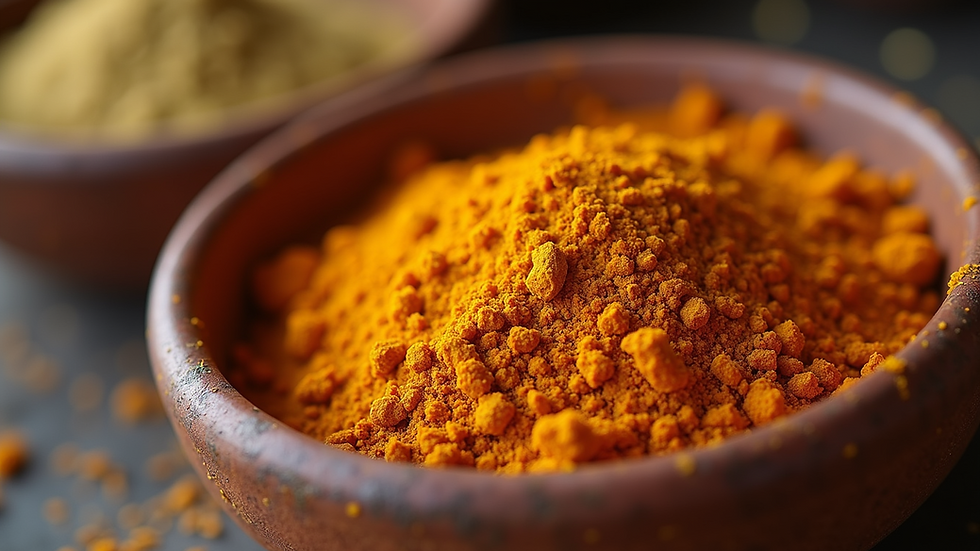
Spice Export Strategies That Work
Developing a robust export strategy involves several components. Here are some of the most effective tactics I recommend:
1. Focus on Quality and Certification
Quality is non-negotiable in the spice export business. Buyers expect consistent, premium-grade products. Obtaining certifications such as ISO, HACCP, and organic labels can boost your credibility.
Invest in quality control: Regular testing for purity, moisture content, and contaminants.
Get certified: Certifications open doors to new markets and reassure buyers.
Traceability: Maintain records from farm to shipment to ensure transparency.
2. Build Strong Supplier Relationships
Your supply chain is the backbone of your export business. Reliable sourcing ensures you can meet demand without compromising quality.
Work closely with farmers: Support sustainable farming practices and fair pricing.
Diversify suppliers: Avoid dependency on a single source to reduce risks.
Regular audits: Ensure suppliers comply with your quality and ethical standards.
3. Optimize Packaging and Branding
Packaging protects your spices and influences buyer perception. For white-label clients, customizable packaging options are a plus.
Use airtight, moisture-proof packaging: This preserves freshness during transit.
Comply with labeling laws: Include origin, batch number, and expiry date.
Offer branding flexibility: Allow clients to add their logos or designs.
4. Streamline Logistics and Shipping
Efficient logistics reduce costs and delivery times, improving customer satisfaction.
Choose reliable freight partners: Look for experience in handling food products.
Understand customs procedures: Prepare all documentation accurately to avoid delays.
Plan for seasonal fluctuations: Anticipate demand spikes and adjust inventory accordingly.
5. Leverage Technology
Technology can simplify many aspects of your export business.
Use inventory management software: Track stock levels and shipments in real time.
Implement quality tracking systems: Digital records help with audits and certifications.
Engage in online marketing: Build a professional website and use social media to reach buyers.
By combining these strategies, you can create a competitive edge and build lasting relationships with your clients.

Partnering with a Trusted Spices Exporter
Finding the right partner can make all the difference. A reputable spices exporter understands the nuances of the market and can provide seamless export solutions.
Here’s why partnering with an experienced exporter matters:
Access to premium Indian spices: India is a leading spice producer, and working with a trusted exporter ensures authenticity.
Compliance expertise: They handle certifications, quality checks, and regulatory requirements.
Efficient supply chain: Established exporters have networks that reduce lead times and costs.
Customization options: Many exporters offer white-label services tailored to your brand.
When selecting a partner, look for transparency, proven track records, and a commitment to sustainability. This aligns with the growing demand for ethically sourced products.
Navigating Challenges in Spice Exporting
Exporting spices is not without hurdles. Here are some common challenges and how to overcome them:
Quality Variability
Spices are natural products, so quality can vary due to weather, soil, and harvesting methods.
Solution: Implement strict quality control and work closely with farmers to standardize practices.
Regulatory Compliance
Different countries have different import rules, which can be confusing.
Solution: Stay informed through trade associations and hire customs experts if needed.
Price Fluctuations
Global spice prices can be volatile due to supply-demand imbalances.
Solution: Use forward contracts or diversify your product range to mitigate risks.
Logistics Delays
Shipping delays can affect freshness and customer satisfaction.
Solution: Plan shipments well in advance and choose reliable logistics partners.
By anticipating these issues, you can prepare contingency plans and maintain smooth operations.
Expanding Your Reach with Sustainable Practices
Sustainability is becoming a key factor in buyer decisions. Incorporating eco-friendly practices can enhance your brand image and open new markets.
Support organic farming: Reduce chemical use and promote biodiversity.
Use eco-friendly packaging: Biodegradable or recyclable materials appeal to conscious consumers.
Fair trade practices: Ensure fair wages and safe working conditions for farmers.
Sustainability is not just good ethics - it’s good business. It helps build trust and loyalty among buyers who value responsible sourcing.
Taking the Next Step in Your Spice Export Journey
Optimizing your spice export strategy is an ongoing process. Start by assessing your current operations and identifying areas for improvement. Focus on quality, build strong supplier relationships, and streamline your logistics. Consider partnering with a reliable spices exporter to leverage their expertise and networks.
Remember, success in spice exporting comes from attention to detail, adaptability, and a commitment to excellence. With the right approach, you can grow your business and become a trusted supplier in the global spice market.
I hope these insights help you refine your export strategy and achieve your business goals. If you want to explore premium Indian spices and seamless export solutions, consider connecting with experienced partners who share your vision for quality and sustainability.


Comments