
The Essentials of Harvest Timing in Spices
- harvestia group
- Jan 5
- 4 min read
When it comes to spices, timing is everything. The moment you decide to harvest your spices can make a huge difference in their flavor, aroma, and overall quality. Over the years, I’ve learned that understanding the right spice harvest techniques is crucial for anyone involved in the spice trade or production. Whether you’re sourcing spices in bulk or looking to white-label premium products, knowing when and how to harvest spices can elevate your offerings and satisfy your customers.
In this post, I’ll walk you through the essentials of spice harvest techniques, sharing practical tips and insights that can help you get the best out of your spice crops.
Why Timing Matters in Spice Harvest Techniques
Harvesting spices at the right time is not just about picking them when they look ripe. It’s about understanding the growth cycle of each spice and recognizing the peak moment when their essential oils and flavors are at their strongest.
Flavor and Aroma Peak: Spices develop their characteristic flavors and aromas as they mature. Harvesting too early can result in weak, underdeveloped spices. Too late, and the spices may lose their potency or even spoil.
Quality and Shelf Life: Proper timing ensures that the spices retain their quality during storage and transportation. This is especially important for businesses that export spices internationally.
Economic Value: Harvesting at the right time maximizes yield and quality, which translates to better prices and customer satisfaction.
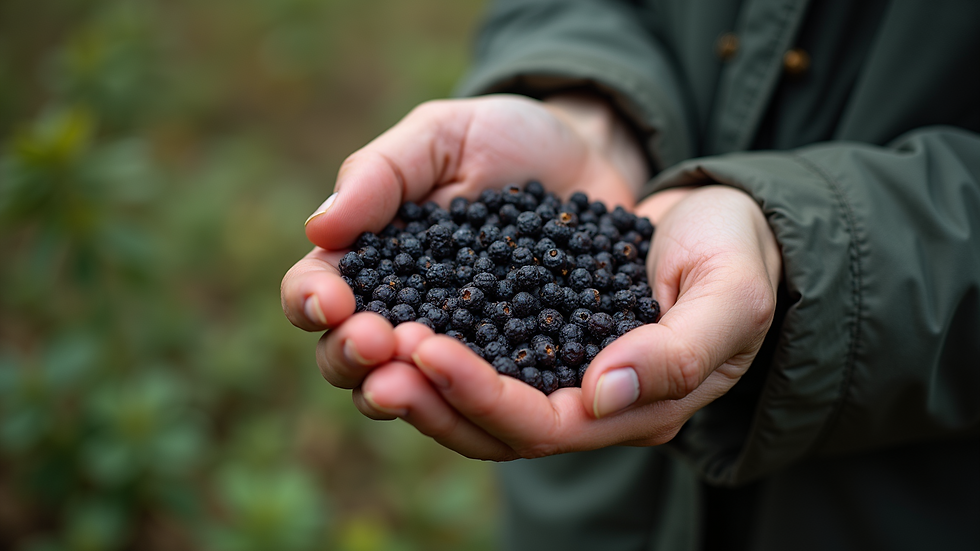
For example, cardamom pods are best harvested when they turn green but before they start to dry on the plant. Similarly, black pepper is picked when the berries begin to turn red, signaling optimal ripeness.

Key Spice Harvest Techniques to Know
Different spices require different harvesting methods. Here are some common techniques that can help you optimize your spice harvest:
Hand Picking
This is the most common method for delicate spices like saffron, vanilla, and cardamom. Hand picking allows for selective harvesting, ensuring only the best quality parts are collected.
Mechanical Harvesting
For larger scale operations, mechanical harvesters can speed up the process. However, this method is usually reserved for spices like cumin or coriander seeds, where the whole plant or seed heads are collected.
Partial Harvesting
Some spices, such as black pepper, can be harvested in stages. Picking only the ripe berries and leaving the unripe ones to mature helps maintain continuous production.
Drying Immediately After Harvest
Once harvested, spices need to be dried quickly to prevent mold and spoilage. Sun drying is traditional, but controlled drying rooms are becoming more popular for consistent quality.
Sorting and Grading
After harvesting, spices should be sorted to remove any damaged or unripe parts. Grading spices by size and quality helps in meeting market standards and customer expectations.
Each spice has its own nuances, so it’s important to research and adapt these techniques accordingly.
What is Harvest Seasoning?
Harvest seasoning refers to the practice of using freshly harvested spices to create blends that capture the essence of the harvest period. This concept is especially popular in culinary circles where the freshness and vibrancy of spices are celebrated.
Freshness Factor: Spices used in harvest seasoning are often at their peak flavor, making dishes more aromatic and flavorful.
Seasonal Blends: These blends can vary depending on the time of year and the spices available, offering unique taste experiences.
Cultural Significance: In many regions, harvest seasoning is tied to festivals and traditional cooking, highlighting the importance of spices in local cuisine.
For businesses, understanding harvest seasoning can open doors to creating exclusive spice blends that appeal to chefs and food manufacturers looking for authentic, fresh flavors.

Practical Tips for Managing Spice Harvests
Managing spice harvests effectively requires planning and attention to detail. Here are some actionable tips I’ve found useful:
Monitor Crop Maturity Regularly
Keep a close eye on your spice plants as they approach maturity. Regular checks help you identify the perfect harvest window.
Train Your Harvest Team
Whether you’re working with local farmers or your own staff, ensure they understand the importance of timing and proper harvesting methods.
Invest in Quality Drying Facilities
Proper drying is essential to preserve the quality of your spices. Consider investing in drying rooms or solar dryers to maintain consistency.
Use Proper Storage Containers
After drying, store spices in airtight containers away from moisture and sunlight to extend shelf life.
Work with Trusted Partners
Collaborate with suppliers and exporters who prioritize quality and sustainability. This ensures your spices meet international standards and customer expectations.
By following these tips, you can improve the overall quality of your spice harvest and build a reputation for excellence.
Why Partnering with Experts Matters
In the spice industry, partnering with experienced suppliers can make all the difference. Companies like HarvestiaGroup specialize in sourcing and exporting premium Indian spices. They understand the nuances of spice cultivation, harvest spice timing, and quality control.
Working with such partners offers several benefits:
Access to High-Quality Spices: They provide spices harvested at the right time, ensuring maximum flavor and aroma.
Sustainability Practices: Ethical sourcing and sustainable farming methods protect the environment and support local communities.
Seamless Export Solutions: Expertise in logistics and compliance helps you navigate international markets smoothly.
Customization Options: White-labeling and bulk supply options allow you to tailor products to your brand and customer needs.
Choosing the right partner can help you expand your reach and build a trusted brand in the competitive spice market.
Final Thoughts on Spice Harvest Techniques
Mastering spice harvest techniques is a vital step toward delivering premium spices that stand out in the market. From understanding the perfect timing to adopting the right harvesting methods, every detail counts.
Remember, the journey from farm to table starts with a well-timed harvest. By investing in knowledge, quality control, and strong partnerships, you can ensure your spices bring authentic flavor and satisfaction to your customers worldwide.
If you want to explore more about sourcing and harvesting spices, consider connecting with experts who can guide you through the process and help you achieve your business goals.
Happy harvesting!


Comments